
Why the House Feels So Empty After Your Cat Dies
You may be sitting on the sofa, looking around and wondering how the same rooms can feel so empty without your cat.
The furniture hasn’t moved.
The same light falls through the windows.
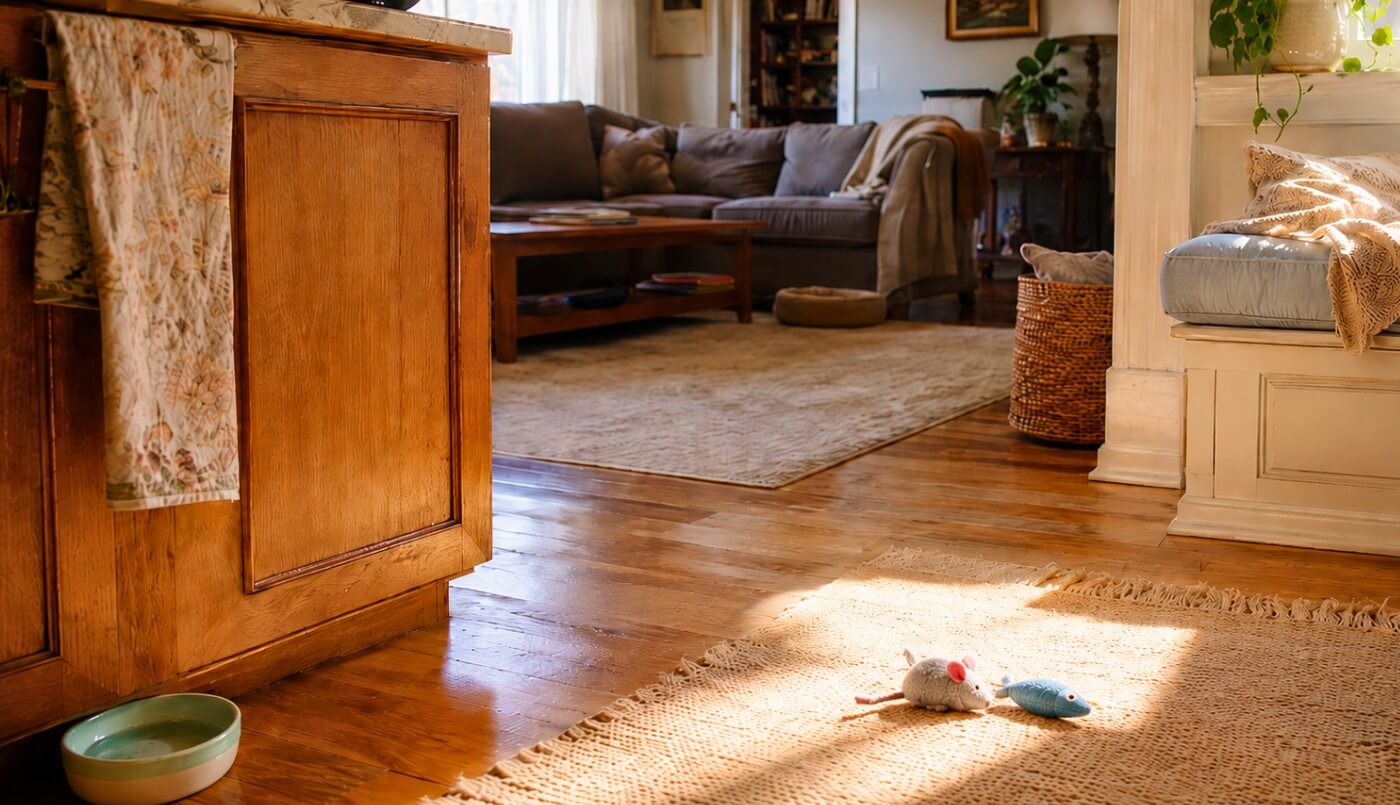
Their bowl may still be beside the wall, and a favorite toy may be lying exactly where they left it.
Yet something in the house has changed.
It can feel too still, too quiet and strangely unfamiliar.
You may find yourself listening for footsteps that don’t come, glancing toward your cat’s usual sleeping place or expecting them to appear when you open a door.
Perhaps you’ve already looked toward their favorite chair several times today.
Maybe you’ve caught yourself leaving space beside you or pausing because, for a moment, you thought you heard them in another room.
A cat takes up only a small amount of physical space, but their presence becomes woven through the entire home.
When they’re gone, you don’t only lose the cat you loved.
You also lose hundreds of tiny moments, movements and expectations that helped make the house feel alive.
That’s why a home can look almost unchanged after a cat dies and still feel as though nothing in it is quite the same.
The Short Answer
The house can feel so empty after your cat dies because their presence was woven into your routines, senses and expectations. You were used to seeing them in certain places, hearing their movements and unconsciously considering them throughout the day. When they’re no longer there, the home still contains all the familiar reminders, but the living response you expect is missing. That contrast can make their absence feel present in every room.
Your cat occupied more than a corner of the house
Cats don’t need to be demanding or noisy to become part of the emotional atmosphere of a home.
They may have slept for hours in the same chair, watched you from the doorway or followed you from one room to another without making a sound.
Naturally they appeared whenever the refrigerator opened, sat on all your papers while you worked or waited outside the bathroom as though you couldn’t be trusted alone.
Over time, these small behaviors became part of the house itself.
You knew where your cat would probably be at different times of day.
You adjusted your footsteps to avoid a tail in the hallway.
You checked a chair before sitting down.
You left a bedroom door slightly open or moved a glass away from the edge of a table.
You may not have consciously noticed every adjustment while your cat was alive.
Now that you no longer need to make them, you notice all of them.
This is one reason losing a cat can hurt so much.
You haven’t only lost a companion.
You’ve lost a living presence that quietly shaped how you moved through your own home.
Your home still expects your cat to be there
A familiar sound may make you look up.
A shadow near the door may briefly look like your cat.
You may see a dark piece of clothing on the floor and, for one instant, think they’re lying there.
You might automatically reach for their bowl at mealtime or begin to step around the place where they usually slept.
These moments can be startling, even when you know perfectly well that your cat has died.
Your mind has learned through years of repetition that certain places, sounds and times of day are connected to your cat.
Those expectations don’t disappear the moment your cat does.
For a while, the house continues to ask the same questions:
Is your cat waiting by the door?
Are they asleep on the bed?
Was that the sound of them jumping down from the windowsill?
But the answer is devastating.
That gap between what you expect and what you find can make your cat’s absence feel almost physical.
Silence becomes something you can hear
People sometimes assume a home wouldn’t become much quieter after the death of a cat because cats are generally pretty quiet.
But anyone who has lived closely with a cat knows how many small sounds they make.
There may have been the soft landing of paws on the floor, claws catching briefly on a rug, a collar tag against a bowl or the rustle of a cat settling into a cardboard box.
Yes, the one that packaged up the expensive cat bed you splurged on.
(Of course your cat was much more pleased with the box than the special soft bed…)
You may have heard purring beside you at night, scratching at the litter box, a small chirp from another room or an indignant meow when dinner was late.
Even a very quiet cat creates a sense of movement and companionship.
After they die, it may not be complete silence that hurts.
It’s the absence of their particular sounds.
The washing machine still runs.
Traffic still passes outside.
Other people may talk in the next room.
Yet the house can feel unnaturally quiet because the sounds that belonged to your cat are missing.

Ordinary moments may catch you off guard
Grief doesn’t always arrive when you expect it.
It may come while you’re doing something entirely ordinary.
You might open a can of food and remember the sound that once brought your cat running. You may shake out a blanket and notice a few hairs still caught in the fabric.
You might wake during the night and instinctively leave room for your cat beside your legs.
Perhaps you still pause before closing a door.
You may look toward their bowl when you enter the kitchen or expect to find them sleeping in a patch of afternoon sun.
These moments can hurt because they’re so small.
They remind you that your relationship wasn’t limited to dramatic expressions of love.
It lived in repetition: feeding, watching, stepping around, talking, touching and simply sharing the same rooms.
The loss is therefore repeated throughout the day.
Not because you’re choosing to dwell on it, but because your home contains so many reminders of the life you shared.
Coming home can be the hardest part
For many people, returning home after their cat dies is one of the most painful parts of the day.
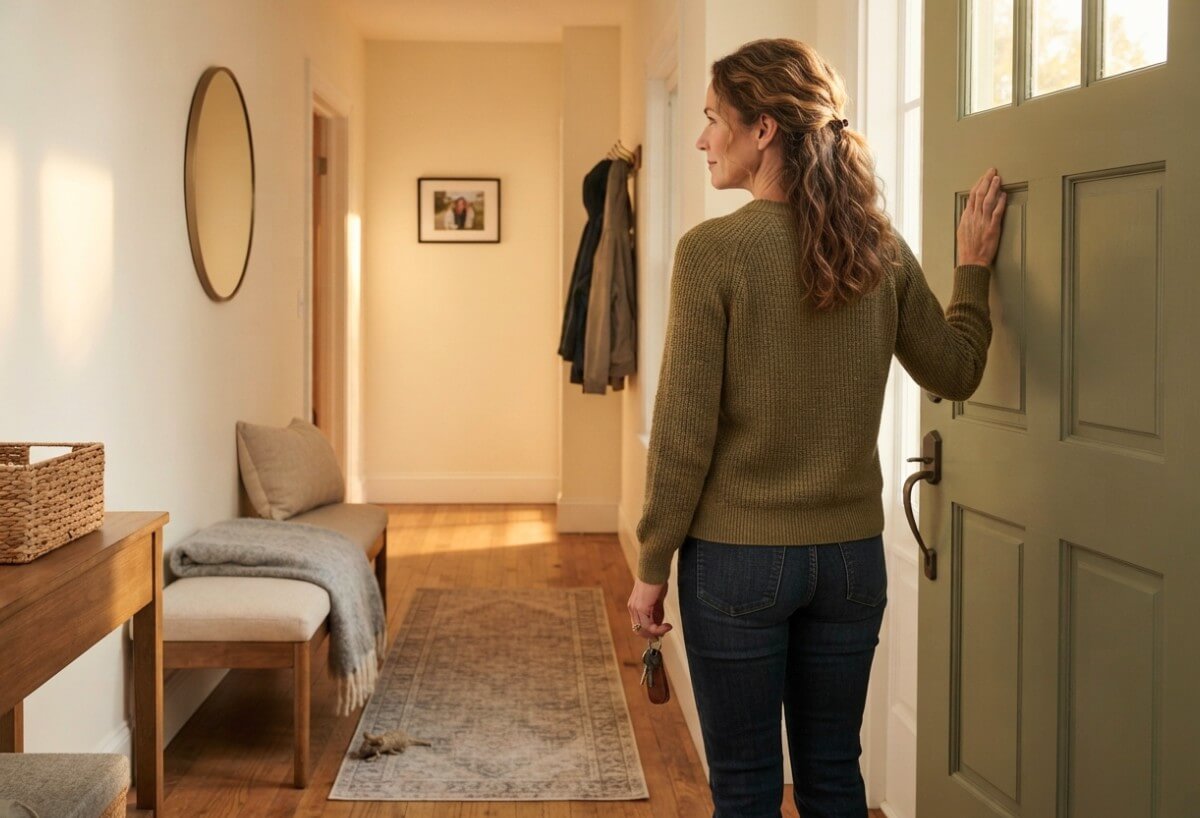
Your cat may have met you at the door, appeared once they heard your keys or waited at a particular window.
Even if they pretended not to care, you knew they were waiting.
There was another living being expecting your return.
Now you may open the door and feel the silence immediately.
You might still call their name before remembering.
You may look automatically toward their usual greeting place or brace yourself before entering the room where they spent most of their time.
The first few returns home can be especially difficult, but the feeling may continue much longer than you expected.
This doesn’t mean you’re failing to accept what happened.
It means arriving home was part of your relationship.
The ritual has stopped, but your body and mind still remember it.
The early disorientation of loss can be intense.
What cat grief feels like in the first few days explores some of the other reactions that may appear when everything still feels painfully new.
Why some times of day feel worse than others
The emptiness may intensify at the times when your cat was most present.
Mornings can feel wrong if your day once began with feeding them, opening a door or finding them already awake beside you with their paw on your face.
Evenings may be harder if your cat usually settled near you while the house became quiet. Bedtime can feel strangely exposed without their weight, warmth or breathing nearby.
Weekends may create long stretches of silence that weren’t noticeable during a busy workday.
Even good weather can hurt.
A sunny afternoon may remind you of the place where your cat used to sleep.
Rain may bring back the sight of them curled up safely indoors.
You may also find that grief becomes sharper after the immediate practical arrangements are over.
Appointments, phone calls and decisions can temporarily keep you moving.
Once those tasks stop, you’re left with the unchanged house and the full reality of who’s no longer in it.
There’s no correct timetable for when particular rooms or routines should become easier.
What should you do with your cat’s things?
Your cat’s belongings may become some of the most emotionally charged objects in the house.
A bowl may be painful to see but unbearable to move.
Their bed may feel like proof that they were really there.
Washing a blanket may seem too final, while leaving it untouched may make the room difficult to enter.
There’s no rule that says you must clear everything away immediately.
There’s also no rule that says you have to preserve the house exactly as your cat left it.
You might:
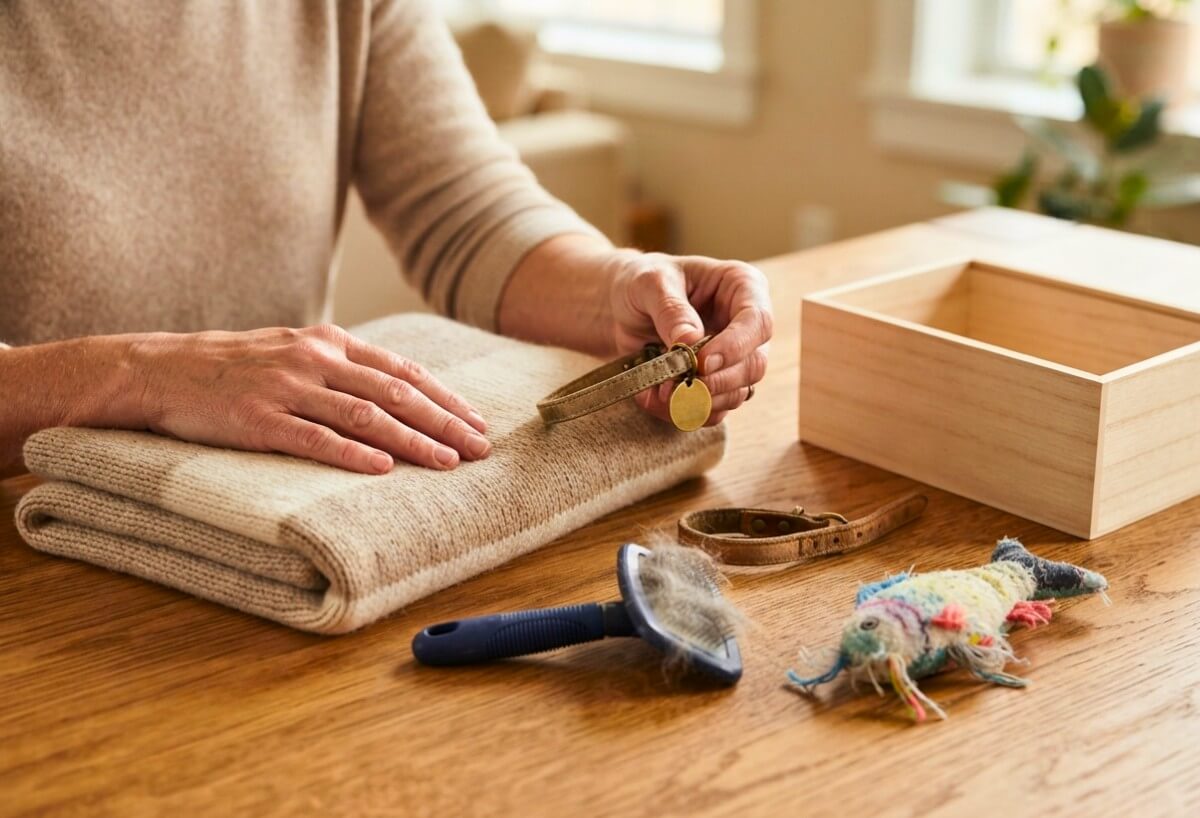
- Leave everything in place until you feel more able to decide.
- Move the most painful items while keeping a few familiar things nearby.
- Wash some belongings but preserve one blanket or toy as it is.
- Place uncertain items in a box and postpone permanent decisions.
- Keep a collar, tag, brush or favorite toy in one quiet place.
- Donate usable food or supplies when doing that feels right to you.
A temporary box can be particularly helpful.
It allows you to make the house easier to live in without forcing yourself to decide what should be kept forever.
You aren’t betraying your cat by moving a bowl, washing a blanket or reclaiming a corner of the room.
Their importance was never contained in those objects.
You can make the house gentler without erasing your cat
When your home feels unbearable, you may feel caught between two painful choices.
Leaving everything unchanged can make the loss confront you at every turn.
Changing anything may feel as though you’re removing your cat from the house.
But understand there’s a middle ground.
You can make small changes that help you live in the space while still honoring the life that happened there.
You might move the empty food bowl but keep a favorite toy on a shelf.
You could open curtains in a room you’ve been avoiding or replace a badly worn cat bed with a cushion that still reminds you of their favorite place.
It may help to choose one part of the house where memories can stay visible rather than having reminders scattered through every room.
This doesn’t need to become a formal memorial.
It might simply be a photograph beside a small toy, a framed paw print or a plant placed near the window your cat loved.
You can also soften difficult times of day.
Play quiet music while making dinner.
Call someone during the journey home.
Sit in a different chair for a while if your usual place feels too painful.
These aren’t attempts to avoid grief.
They’re ways of giving yourself enough emotional space to keep living alongside it.
When guilt seems to settle into the rooms
The quiet of the house can create space for painful questions.
You may replay your cat’s final days or wonder whether you missed an important sign.
You might look at an empty bed and think you should have spent more time there with them.
Perhaps you feel guilty for removing their things—or guilty because you can’t bring yourself to touch them.
If euthanasia was involved, particular rooms may become connected with the decision.
You may remember the place where you made the phone call, prepared the carrier or returned home afterward.
Grief often looks backward and searches for something that could have changed the outcome.
But the silence in the house isn’t evidence that you failed your cat.
It’s evidence that they were part of your daily life and that their absence matters.
If regret and responsibility are beginning to blur together, reading about guilt after cat euthanasia may help you understand those thoughts and meet yourself with more compassion.
You may also have begun grieving long before your cat died, especially if they were elderly or seriously ill.
Anticipatory grief when your cat is still here explains why knowing a loss is coming rarely makes the home feel less empty afterward.
The house may feel empty even when you aren’t alone
You may live with a partner, children, another cat or several other pets and still feel that the house feels empty.
This doesn’t mean the people or animals who remain are unimportant.
Each relationship creates its own atmosphere.
One cat may have slept beside you while another prefers a different room.
One may have greeted you at the door, supervised meals or followed you from room to room.
Another animal can’t occupy precisely the same place because that place was created by your relationship with the cat who died.
Other pets may also behave differently after the loss.
They may search familiar places, become more vocal, sleep more, stay closer to you or seem largely unchanged.
Their response doesn’t determine how deeply they cared, and their presence doesn’t cancel your grief.
You can love those who remain and still feel the unique absence of the one who died.
Why do I still think I see or hear my cat?
Briefly thinking you see your cat in a familiar place is a common part of adjusting to their absence.
A folded sweater may resemble their shape.
A movement at the edge of your vision may make you turn.
A creak in the floor or rustle in another room may sound exactly like them.
You aren’t choosing to imagine these things.
Your home is full of familiar patterns, and for a long time your cat was part of them.
Your expectations need time to catch up with what has changed.
These moments may feel comforting, painful or both.
They usually become less frequent as you slowly learn a new version of the house.
Will the house ever feel like home again?
It may not feel possible at first.
The emptiness can be so complete that you wonder whether the house will always feel like a collection of rooms your cat has left behind.
But the feeling usually changes gradually.
There may not be a single morning when the house suddenly feels normal again.
Instead, you may notice small shifts.
You enter the kitchen without immediately looking at the bowl.
You sit in your usual chair and remember your cat with warmth as well as pain.
You open the front door without bracing quite so hard for the silence.
Eventually, a sunny patch on the floor may become simply a sunny patch again—while still sometimes reminding you of who once slept there.
This isn’t forgetting.
It’s your relationship with the house changing once more.
Your cat’s physical presence is no longer part of its daily rhythm, but the life you shared there remains part of you.

The house won’t always feel this empty
The emptiness isn’t measured by how much space your cat occupied.
It’s measured by how deeply they belonged.
They were present in your mornings, your doorways, your quiet evenings and the ordinary parts of life that no one else saw.
That’s why the whole house can seem altered when they’re gone.
In time, the silence may become less sharp.
You’ll create new routines, and the rooms will begin to hold more than the moment of loss.
But your cat won’t be erased from the home you shared.
They’ll remain in the way you remember a particular chair, the sound you still associate with dinnertime and the warmth of a sunny place on the floor.
The house feels empty because your cat mattered there.
And slowly, it can become a place that holds both their absence and the love they left behind.
Frequently Asked Questions
Is it normal for the house to feel empty after my cat dies?
Yes.
A cat’s presence becomes part of the sounds, routines and expectations of home.
You may be used to seeing them in particular rooms, hearing them move around or considering their needs without consciously thinking about it.
When those familiar patterns suddenly stop, the whole house feels different.
The emptiness reflects how fully your cat belonged in your everyday life, not an excessive or unreasonable response to their death.
Why do I keep thinking I see or hear my cat?
Your mind has learned to connect certain sights and sounds with your cat.
A shadow, a creaking floorboard, a movement at the edge of your vision or a dark object on a chair may briefly make you expect to see them.
This can happen even though you understand that your cat has died.
Your automatic expectations usually take longer to adjust than your conscious understanding of the loss.
These experiences may feel painful, comforting or briefly confusing.
They commonly become less frequent as you grow accustomed to the changed rhythms of the house.
How long will my home feel empty after losing my cat?
There’s no set period.
The feeling may be especially intense during the first few days and weeks, but particular rooms, routines and times of day can remain difficult for much longer.
The change is often gradual rather than sudden.
You may begin to notice that you can enter a room without immediately looking for your cat, or remember them without every memory feeling overwhelmingly painful.
Feeling their absence months later doesn’t mean you’re grieving incorrectly.
It means the home contains many reminders of the life you shared.
Should I put my cat’s belongings away straight after they die?
You don’t have to remove your cat’s belongings immediately, and you don’t have to leave everything untouched.
Some people find empty bowls, beds or litter trays too painful to see.
Others need those familiar objects to remain in place while the loss is still new.
Both responses are understandable.
You can make temporary decisions rather than permanent ones.
Putting uncertain belongings into a box allows you to make the house more manageable without deciding immediately what to keep, donate or discard.
Why does coming home feel especially painful after my cat dies?
Coming home may have been a repeated part of your relationship.
Your cat might have greeted you, watched from a window, appeared when they heard your keys or simply been somewhere inside waiting for you.
After they die, opening the door can bring the loss into focus all over again.
The house is familiar, but the living presence you expect to find there is missing.
This can remain difficult for some time because your body still anticipates the old homecoming routine, even though you know it has changed.
Is it normal to feel lonely even if I have other people or pets at home?
Yes.
The presence of other people or animals doesn’t replace the particular relationship you had with your cat.
Each cat occupies a different emotional place in a household.
Your cat may have slept beside you, followed you around, met you at the door or shared quiet routines that belonged only to the two of you.
Loving the people and animals who remain doesn’t prevent you from feeling the distinct absence of the one who died.
Will getting another cat make the house feel less empty?
Another cat may eventually bring companionship, movement and warmth back into the house, but they won’t replace the cat who died.
There’s no correct time to welcome another cat.
Some people feel ready relatively soon, while others need months or years. Some decide not to have another cat at all.
The most important question isn’t whether you’ve stopped missing your cat.
It’s whether you feel able to meet a new cat as an individual, with their own personality and needs, rather than expecting them to recreate the relationship you lost.


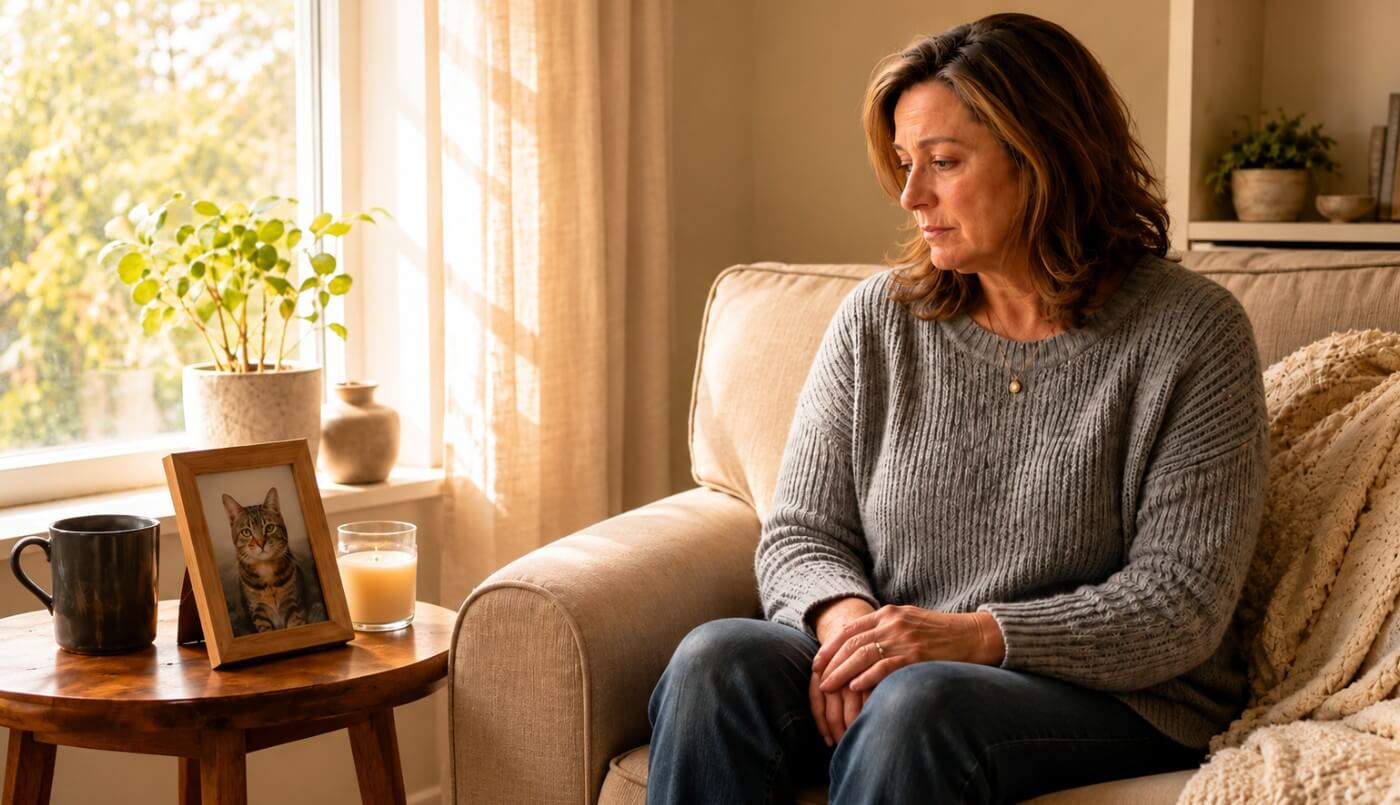
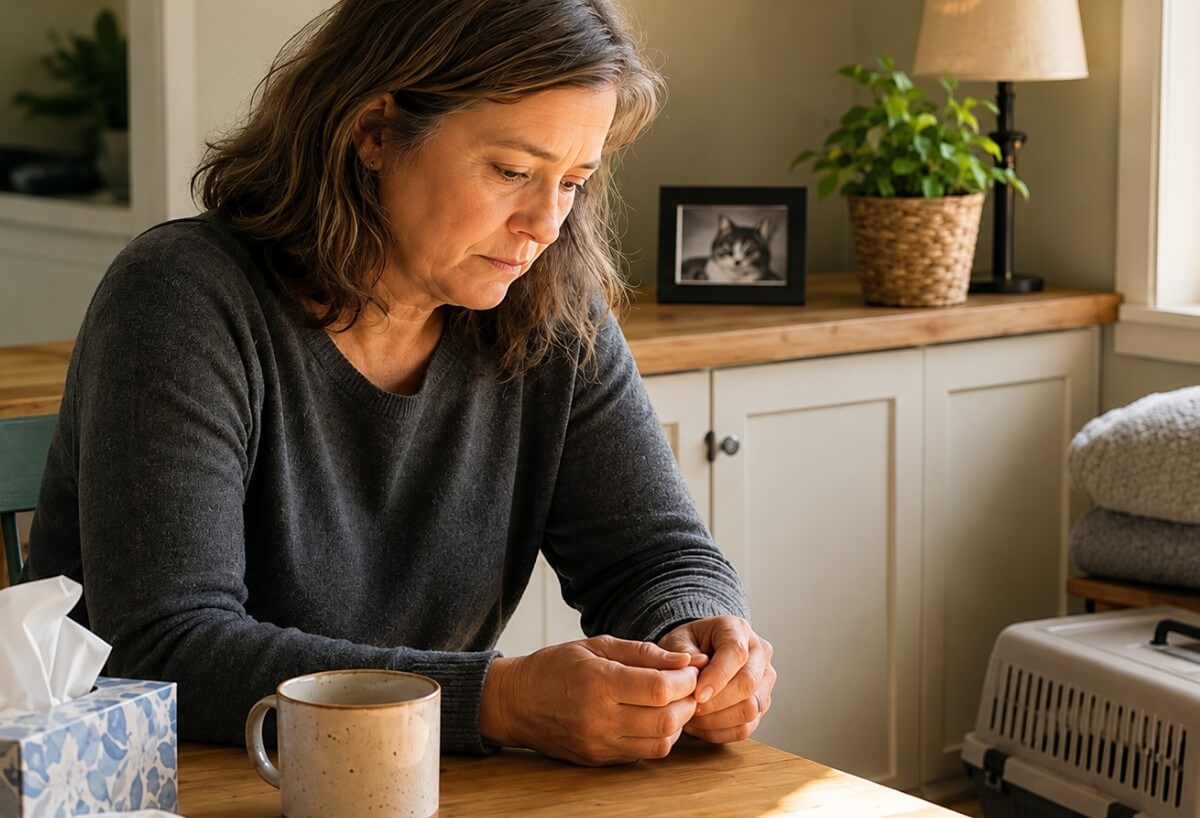
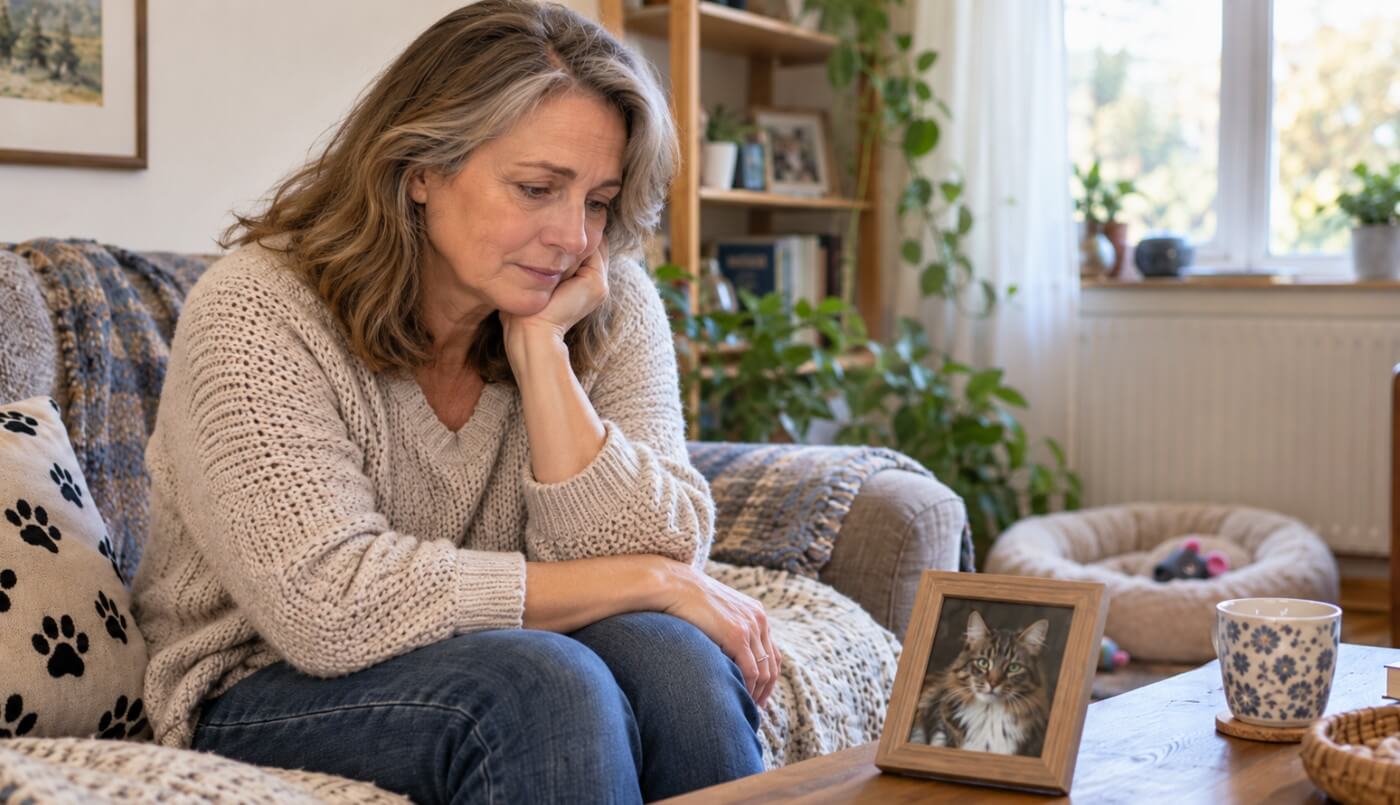
The quiet after a cat dies can feel almost physical, particularly in the rooms and routines they were most closely part of. Was there a particular place, sound or time of day that changed most after your cat died? Share only what feels comfortable. Your words may help another grieving cat parent feel less alone.